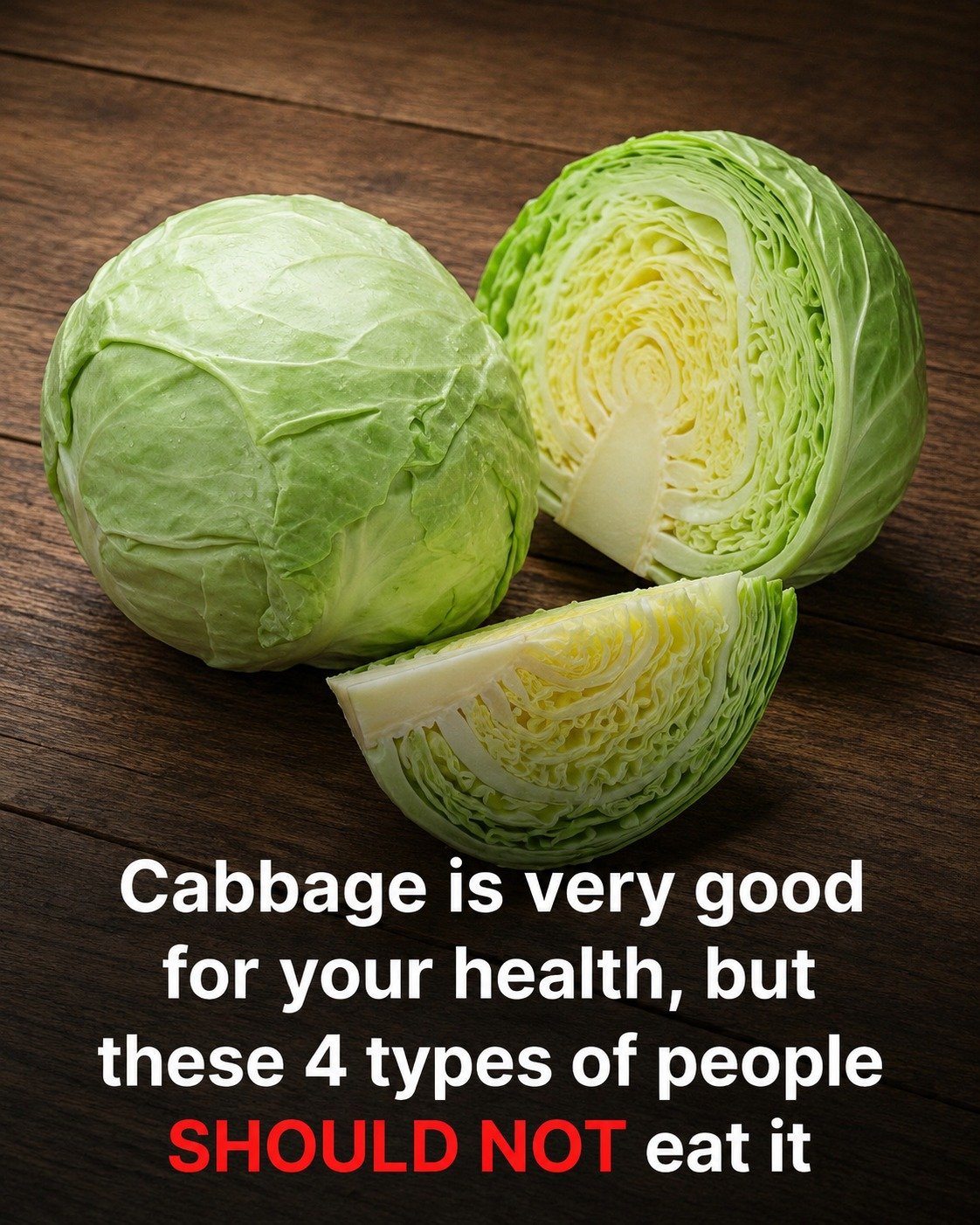
Cabbage is one of the most popular vegetables in kitchens around the world. It is affordable, easy to prepare, and packed with nutrients that support overall wellness. Many people enjoy cabbage in soups, salads, stir-fries, and traditional dishes because it contains vitamins, fiber, and antioxidants that can be part of a balanced diet.
In addition to being nutritious, cabbage is also valued by people looking for lighter meal options. Its low calorie content and satisfying texture make it a favorite ingredient in healthy eating plans. When prepared properly, cabbage can add flavor and variety to meals while supporting digestive and immune health.
However, despite its many benefits, cabbage may not be the ideal choice for everyone. Certain individuals may experience discomfort or health concerns after eating large amounts of cabbage, especially if they already have specific medical conditions or sensitivities. Understanding these situations can help people make informed dietary choices.
One group that may need to be cautious includes people with thyroid-related conditions. Cabbage contains naturally occurring compounds that can interfere with thyroid function when consumed in excessive amounts, particularly in raw form. Cooking cabbage thoroughly may help reduce these effects and make it easier for some individuals to tolerate.
People with sensitive digestive systems may also experience problems with cabbage. Because it is high in fiber, it can sometimes contribute to bloating, gas, or stomach discomfort in individuals with digestive conditions such as irritable bowel syndrome. In those situations, softer vegetables may feel gentler on the stomach.
Another concern involves individuals who are sensitive to histamines. Fermented or pickled cabbage products may trigger mild allergic-type reactions in some people. Symptoms can vary from sneezing and skin irritation to general discomfort, depending on the person’s sensitivity level and overall health.
Even with these precautions, cabbage can still be enjoyed safely by many people when eaten in moderation and prepared carefully. Cooking methods such as steaming, boiling, or sautéing may help improve digestion and reduce some of the compounds that cause discomfort for sensitive individuals.
One simple and flavorful option is cabbage fritters. These savory patties can be made by combining chopped cabbage with onions, garlic, eggs, flour, and mild seasonings before lightly frying until golden brown. Served alongside a balanced meal, they offer a delicious way to enjoy cabbage while adding texture and flavor to the table.