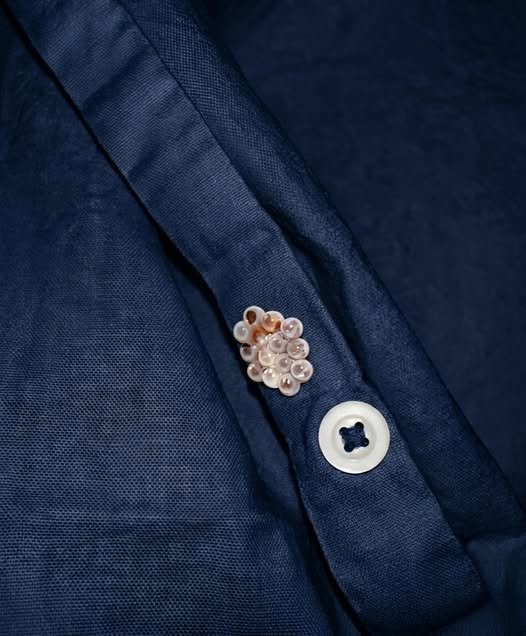
The difference in button placement between men’s and women’s shirts is a small detail that actually reflects a long history of social structure and clothing design. While modern clothing is mass-produced for convenience and style, many of its features come from older traditions that once had practical meaning. Clothing has always reflected how societies were organized, and even minor design choices can carry historical traces.
The most common explanation for women’s buttons being on the left side comes from upper-class Europe in the 18th and 19th centuries. Wealthy women often wore complex layered outfits and rarely dressed themselves. Since maids—usually right-handed—helped them dress, placing buttons on the left made fastening easier from an assistant’s perspective.
As fashion spread beyond aristocratic elites, these design choices were widely copied. Clothing was a symbol of status, so lower classes imitated upper-class styles. Later, industrial garment production standardized these patterns, preserving button placement conventions even after assisted dressing became uncommon.
Men’s clothing developed differently because men generally dressed themselves. Garments were designed for practicality and ease of movement. Some historians also note that men often carried weapons on the left side, so right-side buttoning supported accessibility and self-dressing efficiency.
Over time, the original reasons for these differences faded as societies changed. Servant-assisted dressing became rare, and weapons were no longer part of daily civilian life. However, the established clothing templates remained in place due to manufacturing habits and consumer expectations.
Once factories began mass-producing clothing, consistency mattered more than redesigning small details. Because people were already used to the distinction, manufacturers continued using the same button orientations, reinforcing them as “normal” rather than functional.
Today, the difference has little practical purpose. Most people dress independently, and clothing design focuses on comfort and style. Still, the convention persists as a quiet reminder of how historical practices can survive through repetition long after their original context disappears.
In this way, something as simple as shirt buttons becomes a subtle link to the past, showing how everyday objects can preserve traces of social history even when their original meaning is largely forgotten.