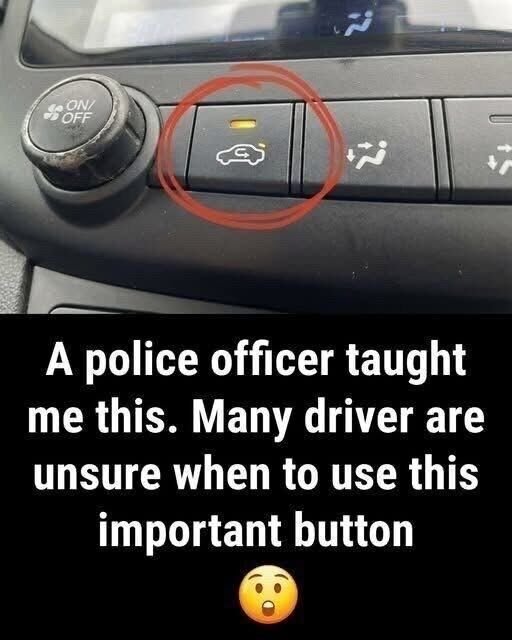
What the Air Recirculation Button Means for Your Driving Experience

  • News
  • January 25, 2026

Understanding Your Car’s Air Recirculation Button

Many drivers notice the dashboard icon showing a car with a looping arrow, yet few truly understand its function. This symbol controls your vehicle’s air recirculation system, a feature that can significantly improve comfort and air quality when used correctly. Knowing when to switch it on or off can enhance your driving experience in hot weather, heavy traffic, or polluted areas.

When recirculation is off, the car’s ventilation system pulls in fresh outside air, filters it, and heats or cools it before circulating it inside the cabin. Turning recirculation on closes a small internal door, preventing outside air from entering and allowing the system to reuse air already in the vehicle. This creates a closed loop, making climate control more efficient under specific conditions.

Recirculation is particularly beneficial in hot weather, as cooling air that is already inside the car helps the cabin reach a comfortable temperature faster, reducing strain on the air conditioner. It is also useful when driving behind vehicles producing heavy exhaust, passing through areas with strong odors, or traveling on dusty roads. Drivers with seasonal allergies may find recirculation helpful for limiting pollen and other outdoor irritants.

However, continuous use is not recommended. In cold, rainy, or humid conditions, trapped air can increase moisture and fog windows, reducing visibility. During long drives, fresh air is preferable to maintain oxygen levels and reduce drowsiness. For optimal performance, replace your cabin air filter regularly, typically every 12,000 to 15,000 miles.

By understanding this small but important feature, drivers can maintain a safer, more comfortable, and healthier cabin environment year-round. Proper use of the air recirculation system is a simple step that makes a noticeable difference in both comfort and safety.


  • Related Posts

    • News
    • March 13, 2026
    • 4 views
    If you have these vertical lines on your nails after 40, it’s a clear sign of… see more 👀👇👇👇

    Sleep positions may seem like mere habits, but they often reflect deeper emotional dynamics—especially for couples. Our body language continues even in sleep, subtly expressing connection, distance, or underlying tension…

    • News
    • March 13, 2026
    • 2 views
    Why Vertical Lines on Your Nails Often Appear With Age

    Noticing thin vertical lines running from the base of your fingernails to the tips can be surprising, especially as they become more visible with age. Many people first notice them…

    Leave a Reply

    Your email address will not be published. Required fields are marked *

    You Missed

    If you have these vertical lines on your nails after 40, it’s a clear sign of… see more 👀👇👇👇

    If you have these vertical lines on your nails after 40, it’s a clear sign of… see more 👀👇👇👇

    Why Vertical Lines on Your Nails Often Appear With Age

    Why Vertical Lines on Your Nails Often Appear With Age

    AMERICA APPLAUDS THE PIMA SHERIFF! The nation is shaken by the latest announcement in the Nancy Guthrie case

    AMERICA APPLAUDS THE PIMA SHERIFF! The nation is shaken by the latest announcement in the Nancy Guthrie case

    Father who murdered 10-year-old daughter is attacked in prison

    Father who murdered 10-year-old daughter is attacked in prison

    Never lend these 8 things to anyone, or you will attract poverty and curses.

    Never lend these 8 things to anyone, or you will attract poverty and curses.

    The Hidden Risks of Falling in Love After 60: Why Late-Life Romance Can Bring Unexpected Emotional, Financial, and Family Challenges That Many People Never See Coming, Leaving Seniors Navigating Passion, Trust, and Vulnerability While Balancing Independence, Past Experiences, and the Hope That Love Later in Life Can Still Be Worth Every Risk Taken

    The Hidden Risks of Falling in Love After 60: Why Late-Life Romance Can Bring Unexpected Emotional, Financial, and Family Challenges That Many People Never See Coming, Leaving Seniors Navigating Passion, Trust, and Vulnerability While Balancing Independence, Past Experiences, and the Hope That Love Later in Life Can Still Be Worth Every Risk Taken