Understanding a Common Body Response and Its Role in Urinary Health

  • News
  • February 23, 2026

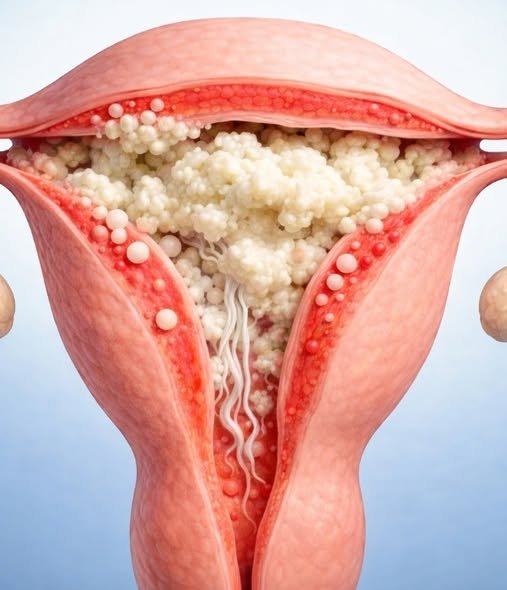
Many daily actions happen automatically, from blinking to stretching, and these responses often serve to protect our health. While they may seem trivial, ignoring them can lead to discomfort or complications over time. One such natural response is the urge to urinate after physical closeness, particularly common in women. This instinct is a protective mechanism that supports urinary health.

The human body constantly responds to internal and external changes without conscious effort. During physical activity or intimacy, blood flow increases in the pelvic area, muscles relax, and hormones shift. These changes help tissues recover, maintain circulation, and protect sensitive areas. The urge to urinate signals the body to cleanse the urinary tract and restore balance.

Physical movement in the pelvic region can put gentle pressure on the bladder, activating nerve pathways that prompt urination. Kidney activity may increase slightly, producing more urine, while hormones associated with relaxation and bonding influence fluid regulation. These normal responses ensure the body maintains equilibrium after intimacy.

Urinating promptly helps reduce the risk of urinary tract infections by flushing bacteria away from the urethra before they reach the bladder. Women are more susceptible due to a shorter urethra and proximity to bacterial sources, making preventive habits particularly important.

Beyond infection prevention, urination supports overall cleanliness of the urethra and surrounding areas. Increased blood flow during activity makes tissues more resilient, and urination helps restore baseline conditions while reducing irritation or inflammation.

Urine may appear lighter or have a milder odor after activity, reflecting hydration and temporary hormonal changes. These variations are normal and not cause for concern. The key is responding to the body’s signals rather than delaying urination.

Ignoring this natural urge allows bacteria more time to multiply, increasing infection risk. Individuals with conditions like diabetes may be more vulnerable, highlighting the importance of prompt attention to bodily signals.

Incorporating urination into daily routines, alongside hydration, hygiene, and regular checkups, strengthens the body’s natural defenses. Recognizing and respecting these automatic responses is a simple, effective way to maintain long-term urinary health.


  • Related Posts

    • News
    • March 13, 2026
    • 4 views
    If you have these vertical lines on your nails after 40, it’s a clear sign of… see more 👀👇👇👇

    Sleep positions may seem like mere habits, but they often reflect deeper emotional dynamics—especially for couples. Our body language continues even in sleep, subtly expressing connection, distance, or underlying tension…

    • News
    • March 13, 2026
    • 2 views
    Why Vertical Lines on Your Nails Often Appear With Age

    Noticing thin vertical lines running from the base of your fingernails to the tips can be surprising, especially as they become more visible with age. Many people first notice them…

    Leave a Reply

    Your email address will not be published. Required fields are marked *

    You Missed

    If you have these vertical lines on your nails after 40, it’s a clear sign of… see more 👀👇👇👇

    If you have these vertical lines on your nails after 40, it’s a clear sign of… see more 👀👇👇👇

    Why Vertical Lines on Your Nails Often Appear With Age

    Why Vertical Lines on Your Nails Often Appear With Age

    AMERICA APPLAUDS THE PIMA SHERIFF! The nation is shaken by the latest announcement in the Nancy Guthrie case

    AMERICA APPLAUDS THE PIMA SHERIFF! The nation is shaken by the latest announcement in the Nancy Guthrie case

    Father who murdered 10-year-old daughter is attacked in prison

    Father who murdered 10-year-old daughter is attacked in prison

    Never lend these 8 things to anyone, or you will attract poverty and curses.

    Never lend these 8 things to anyone, or you will attract poverty and curses.

    The Hidden Risks of Falling in Love After 60: Why Late-Life Romance Can Bring Unexpected Emotional, Financial, and Family Challenges That Many People Never See Coming, Leaving Seniors Navigating Passion, Trust, and Vulnerability While Balancing Independence, Past Experiences, and the Hope That Love Later in Life Can Still Be Worth Every Risk Taken

    The Hidden Risks of Falling in Love After 60: Why Late-Life Romance Can Bring Unexpected Emotional, Financial, and Family Challenges That Many People Never See Coming, Leaving Seniors Navigating Passion, Trust, and Vulnerability While Balancing Independence, Past Experiences, and the Hope That Love Later in Life Can Still Be Worth Every Risk Taken