In today’s fast-moving retail environment, shoppers often make decisions in seconds.
Instead of analyzing fine print, many rely on visual cues—container size, shape, and design—to judge value. That instinct can create a disconnect between what
packaging technically discloses and what it appears to promise. A recent legal dispute in the spice aisle has spotlighted this tension, raising broader questions about how product presentation influences perception during everyday purchases. The case involves McCormick & Company and competitor Watkins Incorporated. Watkins
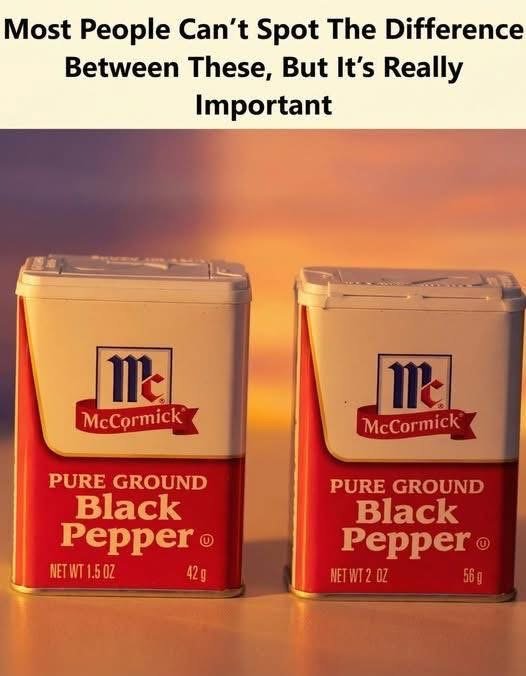
alleges that McCormick reduced the amount of black pepper in certain tins—from approximately
eight ounces to six—while maintaining nearly identical exterior packaging.
This practice, sometimes described as “slack-fill” or shrinkflation, refers to reducing product quantity without significantly altering the package’s visible size. Watkins argues that consistent design may lead loyal customers to assume the contents remain unchanged, especially when the overall appearance on store shelves looks familiar. A central point of the dispute concerns packaging transparency. Watkins uses clear
containers that allow shoppers to see the volume of product inside. By contrast,
McCormick’s traditional tins are opaque, meaning consumers cannot visually gauge the amount of pepper before purchase. Watkins contends that this design difference may influence value perception when products are placed side by side. While labeling regulations require accurate net weight disclosure, the case highlights how many consumers rely more heavily on visual impressions than numerical details during routine shopping trips. Beyond this specific disagreement, the situation underscores a broader industryconversation about transparency and trust. Companies may fully comply with labeling laws while still facing scrutiny over how packaging shapes consumer expectations.
In a marketplace built on brand loyalty, perception matters. The outcome of this legal challenge may help clarify whether responsibility extends beyond technical
accuracy to include clearer visual communication. For shoppers, the case serves as a reminder to look beyond packaging size and review net weight details when comparing products—especially in categories where subtle changes can make a meaningful difference.