How Bathing Too Often Can Harm Your Health

  • News
  • March 10, 2026

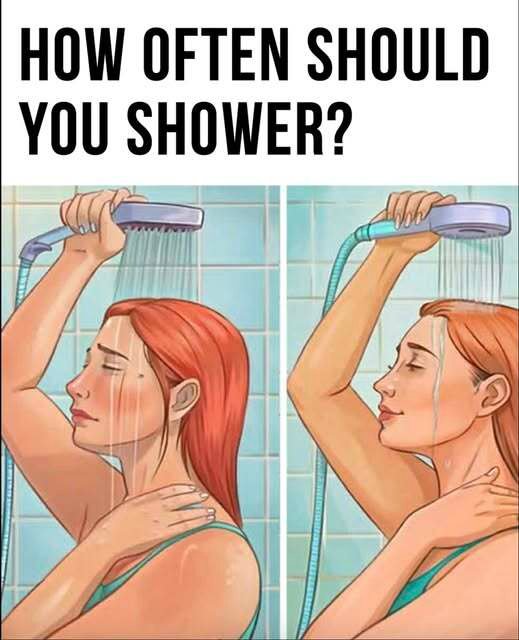
Bathing is a refreshing ritual that promotes hygiene, comfort, and relaxation. However, experts note that excessive bathing—especially with very hot water or harsh soaps—can harm rather than help, particularly for older adults or those with sensitive skin. Understanding how over-bathing affects the body can help preserve skin health and overall well-being.

One major concern is that frequent washing strips the skin of its natural oils. These oils form a protective barrier that keeps the skin hydrated and soft. When removed too often, skin can become dry, itchy, and prematurely aged. If your skin feels tight or irritated after showering, it’s a sign you may be overwashing.

Another issue is the disruption of the skin’s microbiome—the healthy bacteria that protect against infection and inflammation. Overuse of antibacterial soaps and vigorous scrubbing can disturb this balance, leaving skin more vulnerable to irritation and weakening natural defenses.

Bathing too often can also interfere with body temperature regulation, particularly in older adults. Extremely hot or cold water can cause dizziness, fatigue, or faintness. Warm—not hot—water is safest, and showers should be kept brief to prevent sudden drops in blood pressure.

Hair and scalp health can suffer as well. Frequent shampooing removes essential oils, leading to dryness, brittleness, and even breakage. Most people find that washing their hair two to three times per week keeps it clean without stripping away needed moisture.

Experts recommend that most adults bathe once daily, while older adults or those with dry skin may only need to bathe every two to three days. Moisturizing after bathing, using mild soaps, and avoiding extreme water temperatures can help maintain healthy skin and energy levels—allowing you to enjoy the benefits of bathing without unwanted side effects.


  • Related Posts

    • News
    • March 13, 2026
    • 4 views
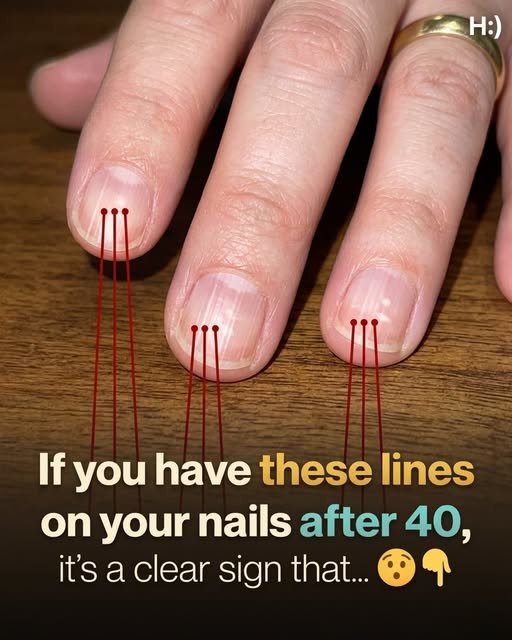
    If you have these vertical lines on your nails after 40, it’s a clear sign of… see more 👀👇👇👇

    Sleep positions may seem like mere habits, but they often reflect deeper emotional dynamics—especially for couples. Our body language continues even in sleep, subtly expressing connection, distance, or underlying tension…

    • News
    • March 13, 2026
    • 2 views
    Why Vertical Lines on Your Nails Often Appear With Age

    Noticing thin vertical lines running from the base of your fingernails to the tips can be surprising, especially as they become more visible with age. Many people first notice them…

    Leave a Reply

    Your email address will not be published. Required fields are marked *

    You Missed

    If you have these vertical lines on your nails after 40, it’s a clear sign of… see more 👀👇👇👇

    If you have these vertical lines on your nails after 40, it’s a clear sign of… see more 👀👇👇👇

    Why Vertical Lines on Your Nails Often Appear With Age

    Why Vertical Lines on Your Nails Often Appear With Age

    AMERICA APPLAUDS THE PIMA SHERIFF! The nation is shaken by the latest announcement in the Nancy Guthrie case

    AMERICA APPLAUDS THE PIMA SHERIFF! The nation is shaken by the latest announcement in the Nancy Guthrie case

    Father who murdered 10-year-old daughter is attacked in prison

    Father who murdered 10-year-old daughter is attacked in prison

    Never lend these 8 things to anyone, or you will attract poverty and curses.

    Never lend these 8 things to anyone, or you will attract poverty and curses.

    The Hidden Risks of Falling in Love After 60: Why Late-Life Romance Can Bring Unexpected Emotional, Financial, and Family Challenges That Many People Never See Coming, Leaving Seniors Navigating Passion, Trust, and Vulnerability While Balancing Independence, Past Experiences, and the Hope That Love Later in Life Can Still Be Worth Every Risk Taken

    The Hidden Risks of Falling in Love After 60: Why Late-Life Romance Can Bring Unexpected Emotional, Financial, and Family Challenges That Many People Never See Coming, Leaving Seniors Navigating Passion, Trust, and Vulnerability While Balancing Independence, Past Experiences, and the Hope That Love Later in Life Can Still Be Worth Every Risk Taken