Amid ongoing tension in the Middle East after earlier US and Israeli military actions, Donald Trump shared an update on Truth Social. He described recent talks between the US and Iran as “very productive,” hinting at a potential easing of hostilities.
In the same post, he said he had instructed what he called the “Department of War”—instead of the official Department of Defense—to delay a planned military strike on Iran’s energy infrastructure. The delay, he noted, would last five days, depending on how negotiations progressed.
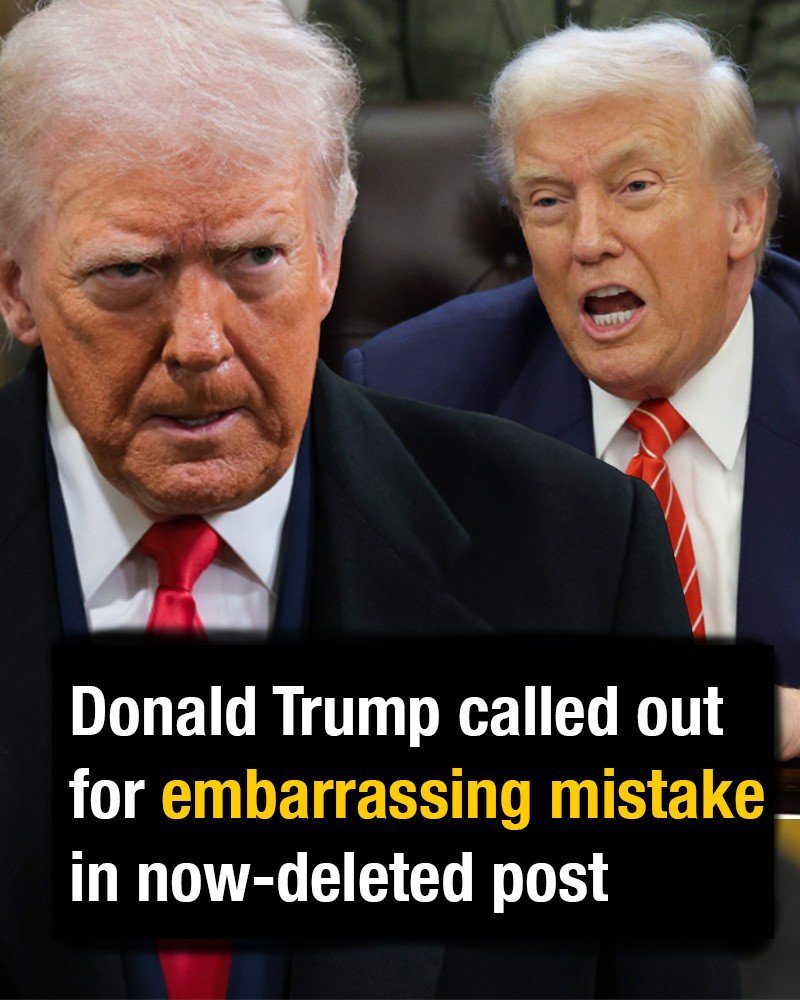
While the message carried serious geopolitical implications, much of the public reaction focused on its presentation. Readers noticed spelling and phrasing errors, highlighting the tone and structure rather than the substance.
Responses ranged from criticism to concern. Many saw the mistakes as signs of haste, noting that in matters affecting international stability, even minor communication lapses can attract heightened scrutiny.
The original post, written entirely in capital letters, was later deleted, though screenshots had already circulated widely. A revised version followed, correcting errors but keeping the core message intact.
In the updated post, Trump reiterated that talks with Iran were constructive and that military actions would remain paused. He closed with a brief note acknowledging his readers, maintaining the focus on dialogue and de-escalation.
This episode illustrates how communication in sensitive geopolitical contexts carries weight beyond information. Presentation reflects judgment, discipline, and responsibility, especially when tensions are high.
The message suggested a pause and an opening for diplomacy, showing value in restraint. Yet, the public’s focus on form reminded observers that clarity is not a formality—it is a crucial part of accountability.