He shook his head slowly. “No. You’re not in trouble.” I blinked. “I… I’m not?” He leaned back, rubbing his temples as if carrying a heavy weight all morning. “Company policy says we technically can’t intervene in transactions,” he explained. “But managers have discretion. And this…” He gestured at the paused footage. “This wasn’t theft or favoritism. You used your own money.” Relief washed over me so fast my eyes burned. Then he pulled a plain white envelope from his desk, my name written neatly across it.
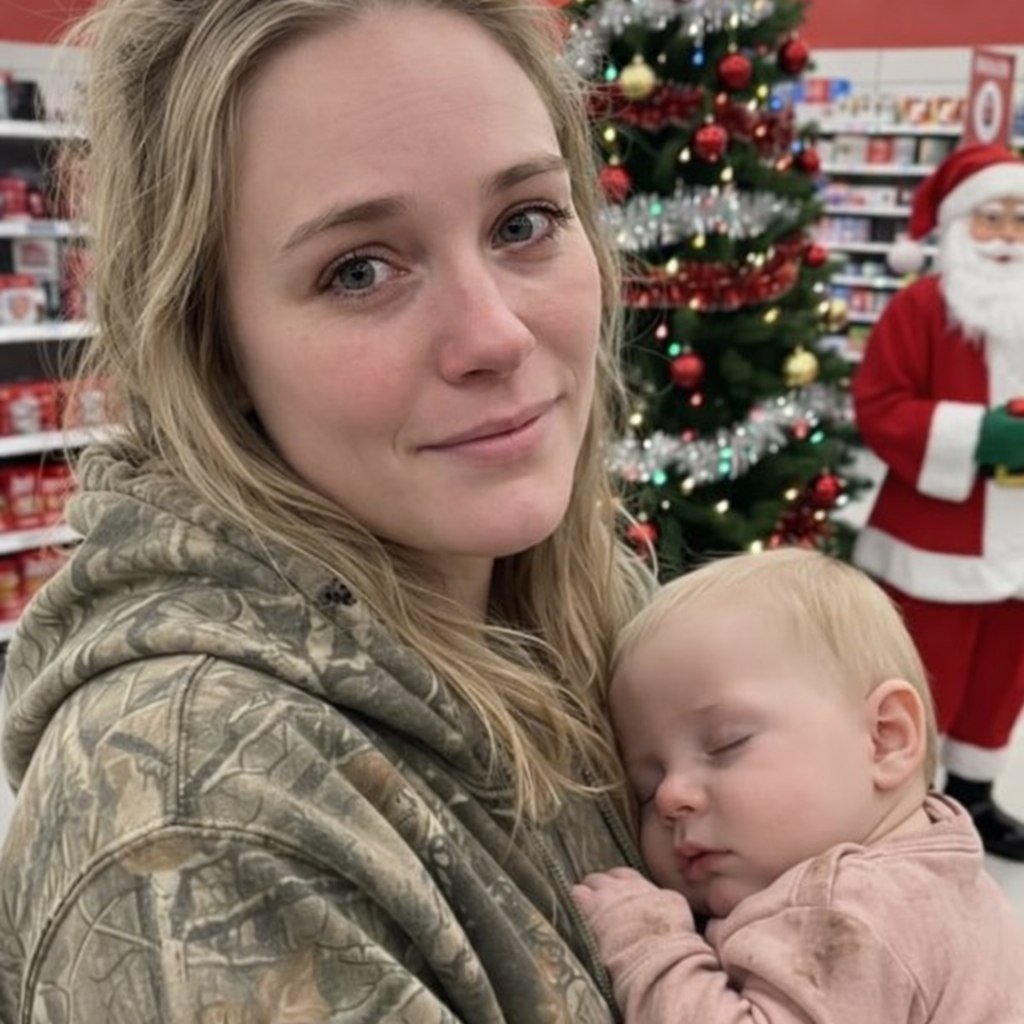
“The woman from last night asked for you by name. She insisted this go directly to you.” My stomach flipped. I opened it to find a folded note and something stiff beneath it. The note read: “Amelia, last night, you did more than buy formula. You saw me. You didn’t make me feel like a failure. I couldn’t sleep because I kept thinking about how close I was to breaking—and one small kindness stopped me. This money isn’t charity. It’s gratitude. Use it, or pass it on, but please keep it moving.” Beneath it was a cashier’s check for $5,000.
I couldn’t believe it. Weeks later, inspired by the gesture, I asked if the store could help customers who came up short by a few dollars. Corporate approved a small, quiet discretionary fund, which we called the Neighbor Fund. I used some of the money for car repairs, paid off lingering bills, and finally slept without anxiety. Yet the real gift wasn’t the check—it was the reminder that small acts of kindness have power far beyond their size.
Every time a parent stood at my register, counting coins with shaking hands, I quietly slid the item through and said the same words that had changed everything for me: “I’ve got it.” Each time, I remembered how a single act, magnified and returned, could transform someone’s life. Six dollars hadn’t changed me—but the ripple of intentional, human kindness had. It reminded me that kindness circles, waits, and sometimes comes back, asking to be passed forward.