For four years, the soldier gave his life to his country in ways that most people never have to imagine. While others measured time in birthdays, holidays, and quiet evenings at home, he measured his in patrols, deployments, and the constant weight of survival. He enlisted with a sense of duty and belief—that serving something greater than himself would give meaning to the sacrifices he knew were coming. What he did not know was how much those sacrifices would take, and how little would be waiting for him when he returned.
During his final year of active service, a roadside explosion changed everything. In a single moment of violence and chaos, he lost his left leg. The physical pain was immediate and brutal, but it was only the beginning. Long after the wound was treated and the surgery completed, the war stayed with him. It followed him into sleep, into silence, into every sudden sound. The trauma did not fade with distance. It settled deep, turning memories into nightmares and ordinary moments into battles of their own.
Throughout his recovery, one thought kept him going: home. He imagined his wife waiting for him, believing that her love was a constant in a world that had become unpredictable and cruel. Letters and messages from her were something he held onto during the darkest days, proof—he thought—that something pure and stable still existed beyond the war zone.
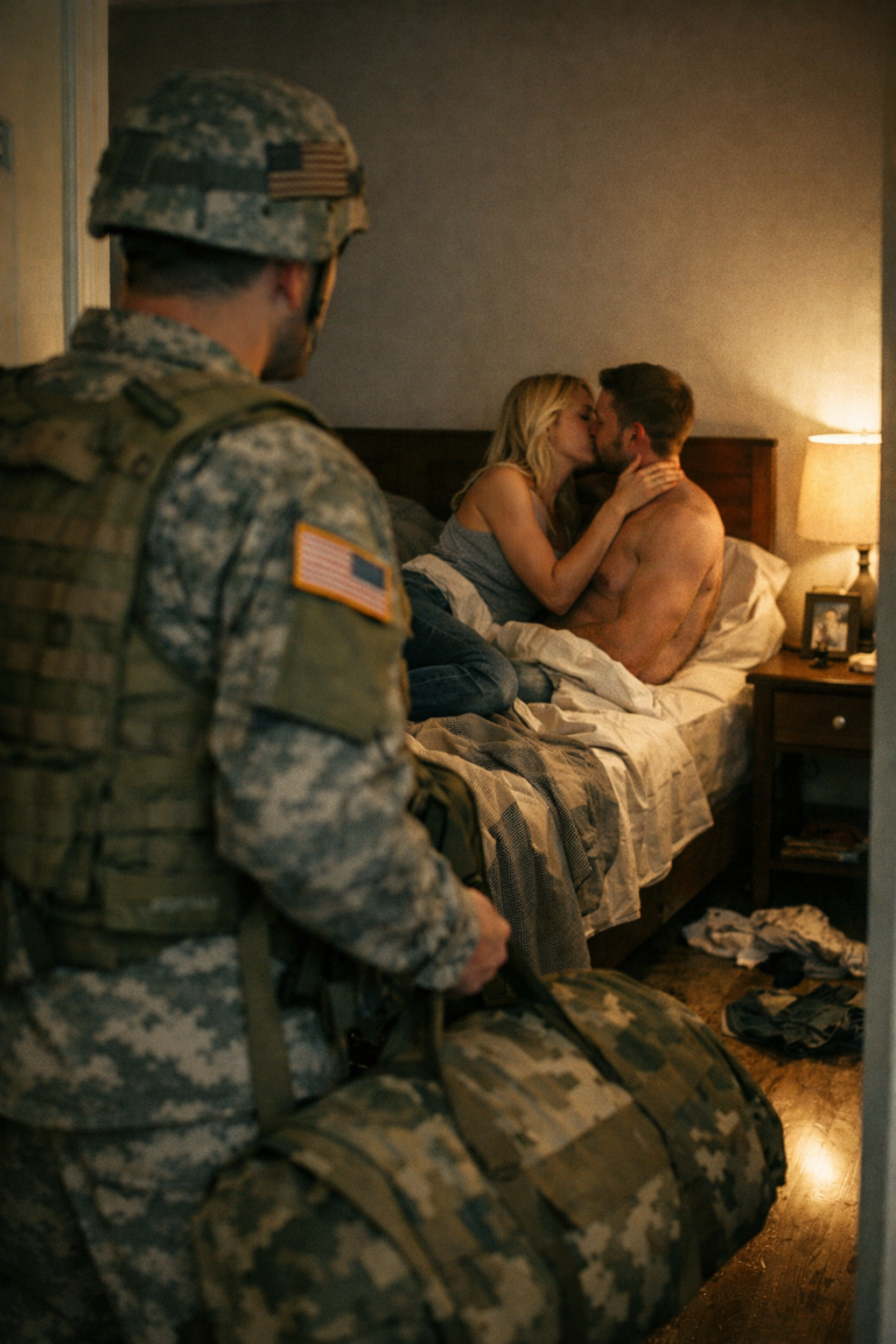
When he was finally discharged and returned home, the uniform replaced by a prosthetic leg and scars both visible and unseen, he expected relief. Instead, he found betrayal.
Walking into his own house, the place that was supposed to represent safety and belonging, he discovered his wife with his brother. The two people he trusted most had crossed a line that could never be undone. The shock of that moment cut deeper than any physical injury he had endured overseas. On the battlefield, he had learned to expect danger from enemies. At home, he had expected love.
The betrayal shattered what little emotional stability he had left. His brother’s presence in that moment twisted the pain into something even more personal—proof that loyalty, like safety, was not guaranteed. While he had been risking his life, losing a limb, and carrying the burden of war, the people closest to him had chosen comfort over honor.
The trauma from combat and the trauma from betrayal fed into one another. The soldier struggled to trust anyone again, including himself. He questioned whether his sacrifice had been worth it, whether the values he believed in still mattered. The loss of his leg reminded him daily of what he had given, while the loss of his family reminded him of what he could never get back.
Yet survival did not end with that moment. Healing was slow and uneven, filled with setbacks, anger, and grief. But over time, he began to understand that his worth was not defined by what others had done to him. His service, his endurance, and his ability to keep going despite overwhelming loss became acts of strength in themselves.
The soldier’s story is not just about war or betrayal. It is about the unseen cost of service—the emotional wounds that do not receive medals, and the battles that begin only after the uniform is put away. His experience stands as a reminder that supporting soldiers means more than honoring them in words. It means understanding the weight they carry long after they come home.