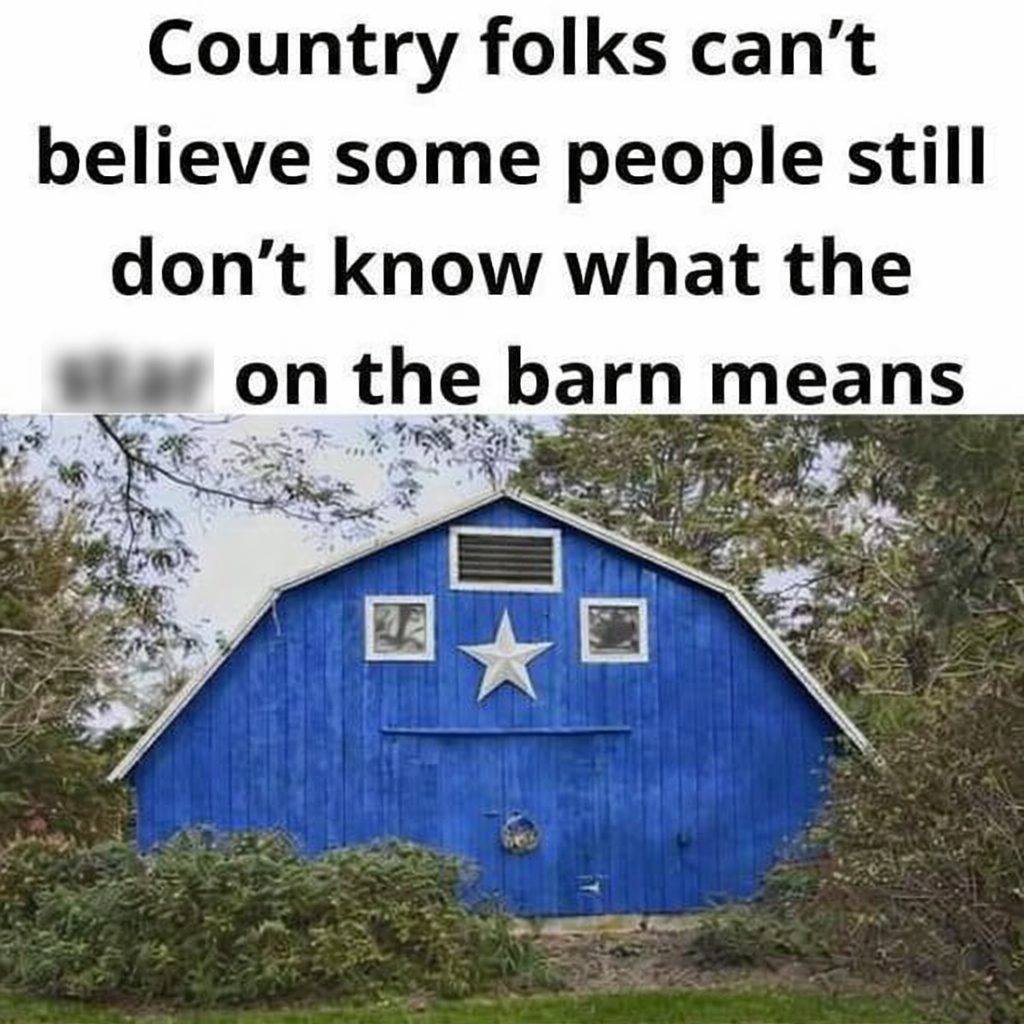
Barn stars, the five-pointed emblems often displayed on barns, carry meaning far beyond decoration. Though they may appear to be simple metal or painted designs, they reflect deep cultural, historical, and symbolic traditions rooted in rural America.
Their origins are closely tied to the Pennsylvania Dutch, descendants of German-speaking immigrants who settled in colonial America seeking religious freedom and farmland. The term “Dutch” comes from “Deutsch,” meaning German. These communities brought decorative folk traditions that blended artistry with everyday life.
Among these traditions were barn stars, which appeared alongside hex signs and quilt-inspired motifs. Together, these designs formed a shared visual language that expressed identity, heritage, and values within farming communities.
For early settlers, barn stars often symbolized protection, luck, and stability. Farming life was uncertain, with crops and livestock vulnerable to weather and disease. Placing a star on a barn served as a hopeful emblem of harmony between people, land, and faith.
Beyond symbolism, barn stars also reflected pride and craftsmanship. Maintaining a barn required hard work, and decorating it signaled care, responsibility, and attention to detail. The size, color, and placement could quietly communicate personal taste and community standing.
Over time, additional motifs such as circular hex signs and quilt block patterns enriched rural architecture. These designs represented themes like abundance, unity, and family continuity, showing how folk art adapted while preserving cultural roots.
In modern times, barn stars have largely shed their protective associations. Today, they appear on homes, businesses, and public buildings, often symbolizing tradition, rustic charm, and a connection to agricultural heritage.
Ultimately, barn stars endure because they represent more than ornamentation. They are living symbols of migration, resilience, and identity—reminders that even simple designs can carry layered stories about culture, community, and the blending of beauty with practical life.