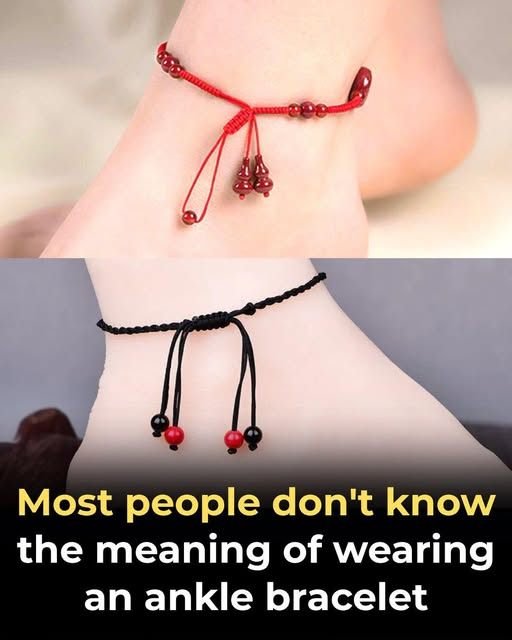
Lightweight, subtle, and visually appealing, the ankle bracelet is a timeless accessory that continues to attract attention in both fashion and cultural contexts. Its delicate design makes it a popular choice for those who prefer understated elegance.
Worn around the ankle, this accessory highlights movement and adds a soft decorative detail to the lower part of the body. Its appeal lies in its simplicity, offering a graceful finishing touch without overwhelming an outfit.
Historically, anklets have been used in many civilizations around the world. Their meanings have varied widely, ranging from fashion statements to cultural symbols representing status, tradition, and identity.
In ancient Egypt, anklets were often associated with protection and good fortune. Some designs included small ornaments that created gentle sounds while walking, which were believed to carry symbolic and practical significance.
In South Asian traditions, anklets hold a particularly meaningful place. Known in some cultures as “payal,” they are often crafted from silver and worn during important ceremonies, symbolizing cultural heritage and feminine grace.
In this context, anklets are more than decorative items. They are part of traditional attire and are often associated with life events, celebrations, and long-standing customs passed through generations.
Over time, anklets also appeared in other regions, including parts of the Middle East and Europe. In these societies, they were sometimes linked to social standing or personal wealth, reflecting broader cultural values.
At this point in modern fashion history, the anklet has evolved into a widely used style accessory. It is commonly chosen for its aesthetic appeal rather than symbolic meaning, especially in casual and summer wear.
Contemporary designs now include a wide variety of materials such as gold, silver, beads, shells, and minimalist chains. This variety allows individuals to express personal style while maintaining a sense of elegance.
Today, anklets are worn freely without strict rules regarding placement or meaning. Their continued popularity reflects a blend of historical tradition and modern fashion, making them a versatile accessory across cultures and generations.