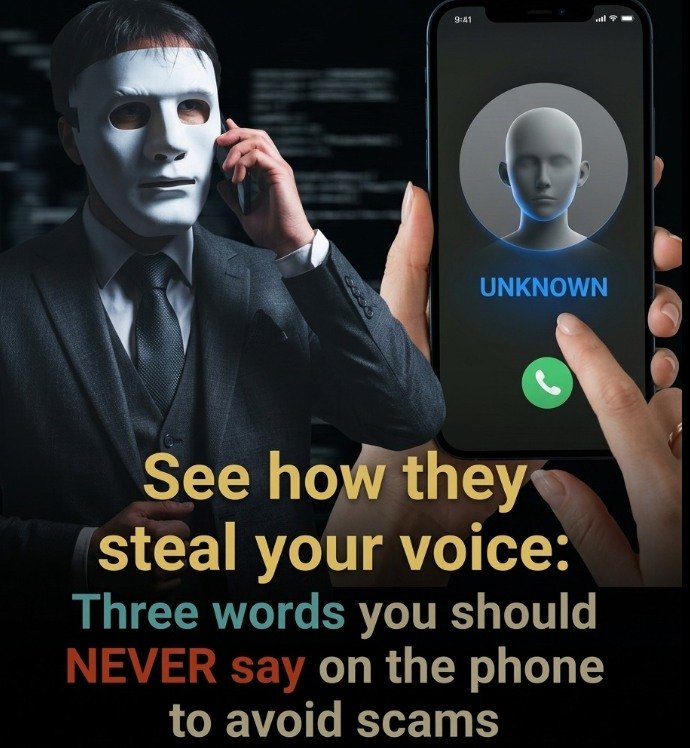
Artificial intelligence has advanced rapidly over the past decade, expanding far beyond early uses like text generation or image creation. One of the most striking developments is AI’s ability to replicate human voices with remarkable accuracy. While the technology has legitimate uses—such as assisting people with speech impairments, producing audiobooks, and powering virtual assistants—it also introduces serious security concerns.
Modern AI voice-cloning systems can reproduce a person’s voice using only short audio samples taken from phone calls, video clips, or social media posts. What was once a uniquely personal trait—the sound of a human voice—can now be copied, stored, and potentially misused as digital data.
These systems analyze subtle vocal characteristics such as pitch, rhythm, tone, and speech patterns. By studying just a few seconds of audio, AI can build a model capable of generating new speech that sounds convincingly like the original speaker.
This capability creates opportunities for fraud. Criminals could imitate someone’s voice to bypass voice-authentication systems, deceive family members, or create false recordings suggesting consent to transactions or agreements.
One known tactic is the “yes trap.” In this scam, a brief recording of someone saying “yes” is captured and later used as supposed proof that the person approved a purchase, contract, or service.
Even casual conversations can provide enough audio for cloning. Robocalls, automated surveys, or short phone exchanges may allow scammers to collect vocal samples without the person realizing the risk.
The growing accessibility of voice-cloning tools increases the threat. Software that once required advanced technical knowledge is now widely available, allowing individuals to generate realistic voice models in a short time.
As the technology improves, awareness becomes essential. Treating your voice like sensitive personal data—verifying requests, avoiding quick verbal confirmations, and staying cautious with unknown callers—can help reduce the risk of voice-based scams.