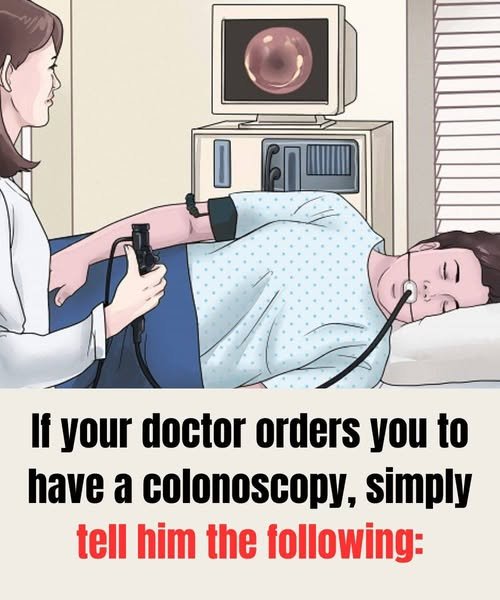
The word colonoscopy often provokes immediate anxiety, as thoughts of embarrassment, vulnerability, or serious health problems flood the mind. This fear is fueled by cultural silence, jokes, and lack of clear information. Understanding the procedure and its purpose can transform anxiety into manageable awareness.
A colonoscopy is recommended because it is one of the most effective tools for examining the colon and rectum. It allows doctors to see the intestinal lining directly, identifying issues like inflammation, ulcers, bleeding, and polyps that may become cancerous over time.
Importantly, the procedure is both diagnostic and preventive. Polyps can often be removed during the exam, stopping potential cancer before it develops. This dual function is rare and makes colonoscopy a gold standard in colorectal health.
Most patients find the procedure itself less intimidating than expected. Sedation ensures comfort, sharp pain is uncommon, and the exam usually takes less than an hour. Privacy and dignity are prioritized, and many people are surprised at how quickly it is over.
The preparation beforehand is often more challenging than the procedure. It involves a temporary diet adjustment and a solution to clear the colon. Though inconvenient, it is short-lived and essential for accurate results. Modern methods have made preparation more tolerable than in the past.
Pre-procedure conversations with a doctor are crucial. Patients should ask why the colonoscopy is recommended for them, considering age, family history, symptoms, and risk factors. This discussion also covers sedation, preparation, recovery, and follow-up, reducing anxiety and increasing trust.
Delaying a colonoscopy can have serious consequences. Silent conditions progress unnoticed, making treatment more invasive and outcomes less certain. Early detection allows simpler, more effective interventions and can be life-saving.
Approached with understanding, preparation, and informed questions, a colonoscopy becomes empowering. It is not about embarrassment or discomfort, but protection, peace of mind, and giving oneself the best chance at long-term health.